
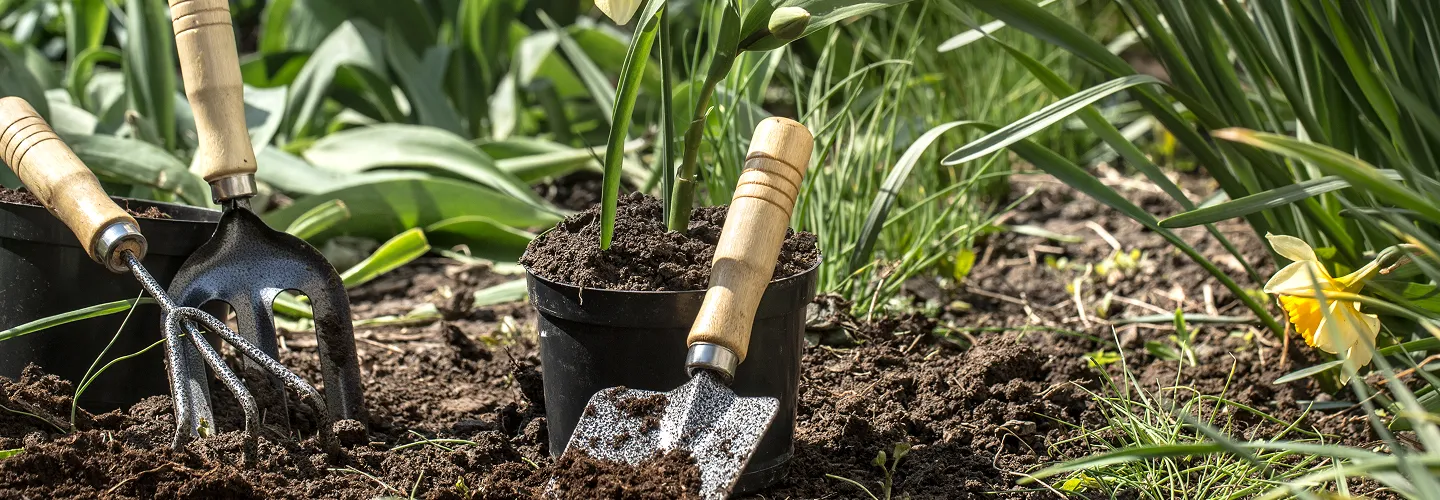
Georgetown Weeding Services
Choose our expert weeding services for a healthier, more vibrant landscape—our experienced team ensures your garden stays weed-free, letting your plants thrive and your outdoor space look its best all season long.
Get a Free QuoteOur Georgetown Landscaping & Yard Care Services
When to Schedule Weeding in Georgetown, Georgia – Seasonal Guide
In Georgetown, Georgia, the best times to schedule weeding are closely tied to our region’s unique climate and landscape. With mild winters and hot, humid summers, the optimal periods for weeding are typically early spring—just after the last frost—and late fall, before the first frost sets in. Neighborhoods near the Altamaha River or around the historic downtown area often experience higher humidity and richer soils, which can accelerate weed growth if not managed proactively.
Local environmental factors such as the sandy loam soil common in the Belleview and Cedarwood neighborhoods, as well as the dense shade from mature oaks in areas like Magnolia Park, play a significant role in determining the best weeding schedule. Georgetown’s risk of summer droughts and occasional heavy rainfall also means timing is crucial to prevent weeds from taking over during periods of rapid growth. For more information on local climate patterns, visit the official Georgetown resource.
Local Factors to Consider for Weeding in Georgetown
- Tree density and shade coverage, especially in older neighborhoods
- Soil type (sandy loam vs. clay)
- Seasonal precipitation and drought risk
- Proximity to water sources like the Altamaha River
- Municipal restrictions or community guidelines on landscaping
- Terrain and slope, which can affect water runoff and weed spread
Benefits of Weeding in Georgetown

Professional Landscaping Expertise
Enhanced Curb Appeal
Weed-Free Lawns and Gardens
Eco-Friendly Weed Control
Time and Effort Savings
Consistent Maintenance Scheduling

Georgetown Weeding Types

Hand Weeding
-
Mechanical Weeding
-
Mulching for Weed Control
-
Pre-Emergent Herbicide Application
-
Post-Emergent Herbicide Application
-
Flame Weeding
-
Soil Solarization
Our Weeding Process
Site Evaluation
Weed Identification
Targeted Removal
Soil Treatment
Final Inspection
Why Choose Georgetown Landscape Services

-
Georgetown Homeowners Trust Us
-
Expert Lawn Maintenance
-
Reliable Scheduling
-
Competitive Pricing
-
Professional Team
-
Satisfaction Guarantee
-
Personalized Service
Georgetown’s Sandy Coastal Plain Soils and Weeding Challenges
Georgetown, GA is situated within Georgia’s Coastal Plain, where sandy soils such as the Fuquay and Tifton series predominate. These soils are typically acidic, well-drained, and prone to rapid nutrient leaching, which can complicate weed management. Residents should be aware that sandy soils allow weed seeds to germinate quickly after rainfall, especially during the long growing season in USDA Hardiness Zone 8b. Effective weeding in Georgetown requires regular monitoring and prompt removal, particularly after heavy rains. Best practices include:
- Mulching beds to suppress weed emergence
- Hand-pulling or hoeing weeds before they set seed
- Testing soil pH and amending as needed for optimal plant health For detailed soil maps and recommendations, consult the USDA Web Soil Survey and UGA Cooperative Extension.
Stormwater Protection and Buffer Compliance During Weeding in Georgetown
Weeding activities near Georgetown’s creeks, drainage ditches, and stormwater inlets must comply with local and state environmental protections. Removing weeds along water features can increase erosion risk and sediment runoff, which may impact water quality. Georgetown residents should:
- Maintain vegetative buffers (typically 25 feet or more) along streams and ditches
- Avoid disturbing soil during wet conditions
- Use erosion control measures such as straw or silt fencing when working on slopes
- Never dispose of weeds or yard debris in storm drains or waterways For further guidance, refer to Georgia EPD Watershed Protection Branch and the Clean Water Act.
Georgia Environmental Protection Division
2 Martin Luther King Jr. Drive SE, Suite 1456, Atlanta, GA 30334
Phone: (404) 657-5947
Official Website: Georgia EPD
Yard Waste Collection and Weeding Debris Disposal in Georgetown
Proper disposal of weeding debris is essential for compliance with Georgetown’s municipal waste management protocols. Yard waste, including pulled weeds and trimmings, should be separated from household trash and placed in designated containers or biodegradable bags for curbside collection. Residents should:
- Confirm collection days with the city’s waste management provider
- Bundle or bag weeds according to city guidelines (typically no plastic bags)
- Avoid placing debris in the street or blocking storm drains
- Utilize local drop-off sites for large volumes when available Improper disposal can result in code violations or stormwater blockages. For up-to-date collection schedules and requirements, contact the city’s public works office.
Georgetown Department of Public Works
Georgetown, GA 39854
Phone: (229) 334-4641
Official Website: Georgetown Department of Public Works
Safe Use of Herbicides and Georgia State Regulations for Weeding
When chemical weed control is necessary, Georgetown property owners must adhere to Georgia’s pesticide regulations. Only licensed applicators may use restricted-use herbicides, and all products must be applied according to label instructions to protect human health and the environment. Key requirements include:
- Following the Georgia Pesticide Use and Application Act of 1976
- Observing buffer zones near water bodies
- Wearing appropriate personal protective equipment (PPE)
- Storing chemicals securely and away from children or pets For licensing, safety, and reporting information, consult the Georgia Department of Agriculture - Agricultural Pest Control and UGA Extension - Invasive Species.
Georgia Department of Agriculture
19 Martin Luther King Jr. Drive SW, Atlanta, GA 30334
Phone: (404) 656-3645
Official Website: Georgia Department of Agriculture
What Neighborhoods Do We Serve Throughout Georgetown, GA?
- Downtown Georgetown: Features older lots with established shade trees and compacted soils, requiring frequent hand-weeding and careful debris management due to narrow streets.
- Lake Eufaula Shores: Lakeside properties with sandy soils and high water tables, where weed growth is rapid and buffer compliance is critical to protect water quality.
- Quitman Heights: Newer subdivisions with open lawns and minimal tree cover, where windblown weed seeds and sun exposure drive the need for regular monitoring.
- Riverbend Estates: Proximity to creeks and drainage ditches means residents must observe buffer rules and prevent debris from entering waterways.
- Georgetown North: Larger lots with mixed sun and shade, requiring tailored weeding strategies and attention to runoff during rainy periods.
- Piney Woods: Wooded edges and leaf litter create persistent weed pressure and require ongoing maintenance, especially in spring and fall.