
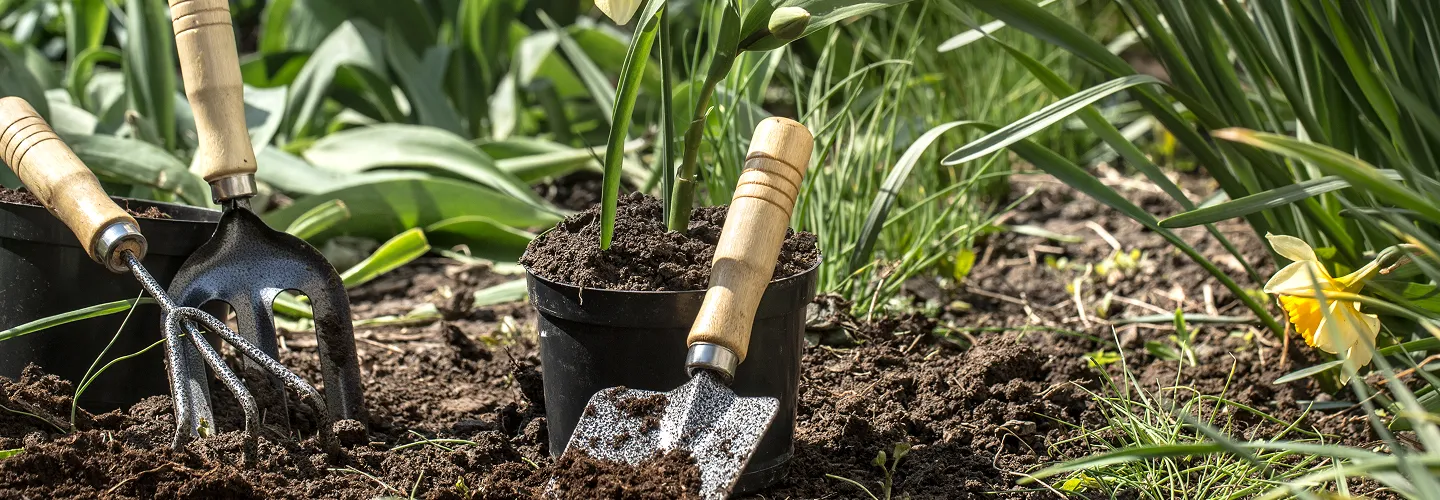
Georgetown Hedging Services
Choose our expert hedging services for meticulous care, tailored solutions, and lush, healthy boundaries that enhance your property's beauty and privacy year-round.
Get a Free QuoteOur Georgetown Landscaping & Yard Care Services
When to Schedule Hedging in Georgetown, Georgia – Seasonal Guide
In Georgetown, Georgia, the best times to schedule hedging are typically late winter through early spring and again in late summer. These periods align with the region’s mild climate and help avoid the stress of peak summer heat or the risk of frost damage. Georgetown’s proximity to the Savannah River and neighborhoods like Shellman Bluff and Belleville means that humidity and soil moisture can vary, so timing your hedging to avoid prolonged wet or dry spells is crucial for plant health.
Local environmental factors such as the average last frost date in early March, the potential for summer droughts, and the prevalence of sandy soils in areas near Harris Neck National Wildlife Refuge all play a role in determining the optimal hedging schedule. Homeowners should also consider shade coverage from mature oaks and pines, as well as any municipal guidelines, which can be found on the official town website, to ensure compliance with local landscaping ordinances.
Local Factors to Consider for Hedging in Georgetown
- Tree density and shade coverage in neighborhoods like Belleville and Shellman Bluff
- Soil type, especially sandy or well-drained soils near the river
- Average precipitation and risk of summer drought
- Frost dates and seasonal temperature swings
- Terrain and accessibility for equipment
- Municipal restrictions or HOA guidelines
Benefits of Hedging in Georgetown
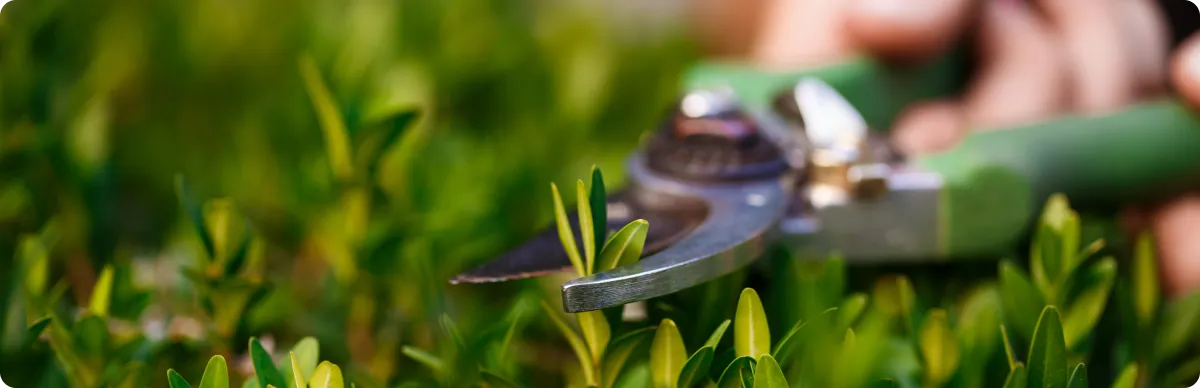
Enhanced Curb Appeal
Professional Hedge Shaping
Improved Property Privacy
Expert Local Knowledge
Reliable Scheduling
Eco-Friendly Practices
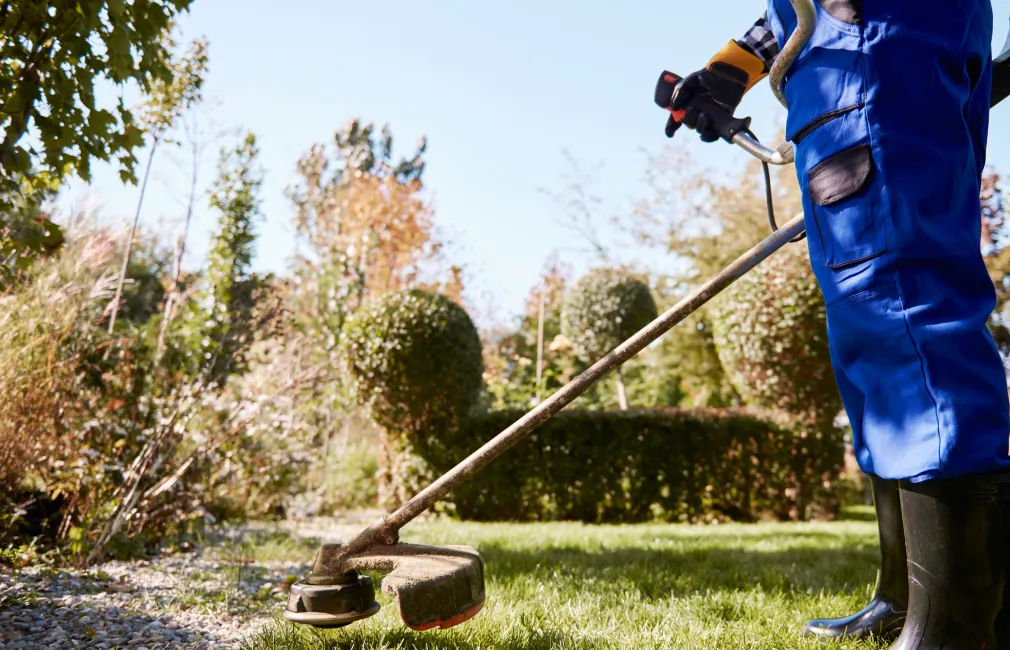
Georgetown Hedging Types

Boxwood Hedges
-
Privet Hedges
-
Yew Hedges
-
Laurel Hedges
-
Holly Hedges
-
Arborvitae Hedges
-
Photinia Hedges
Our Hedging Process
Consultation and Planning
Site Preparation
Precise Trimming
Cleanup and Inspection
Why Choose Georgetown Landscape Services
-
Georgetown Homeowners Trust Us
-
Expert Lawn Maintenance
-
Reliable Scheduling
-
Competitive Pricing
-
Professional Team
-
Satisfaction Guarantee
-
Personalized Service
Hedging Practices for Georgetown’s Sandy Coastal Plain Soils and Drainage
Hedging in Georgetown, GA requires careful consideration of the region’s predominant sandy soils, as identified by the USDA Web Soil Survey. These soils, common throughout the Coastal Plain, are well-drained but prone to nutrient leaching and may require more frequent mulching and soil amendment to support healthy hedge growth. Residents should test soil pH, which often trends acidic, and select hedge species adapted to these conditions. Key practices include:
- Amending soil with organic matter to improve moisture retention
- Monitoring for rapid drying during summer heat
- Applying mulch to reduce evaporation and suppress weeds
- Scheduling irrigation to avoid runoff and promote deep root growth For detailed soil information and recommendations, consult the USDA Web Soil Survey and UGA Cooperative Extension.
UGA Cooperative Extension
1109 Experiment Street, Griffin, GA 30223
Phone: (770) 228-7214
Official Website: UGA Cooperative Extension
Georgetown Municipal Yard Waste Collection and Hedge Trimming Debris
Proper disposal of hedge trimmings is essential for compliance with Georgetown’s municipal waste management protocols. The city’s Department of Public Works oversees yard waste collection, which typically requires residents to bundle branches and place them curbside on designated collection days. To ensure compliance:
- Bundle hedge trimmings in manageable sizes (verify current city requirements)
- Avoid placing debris in storm drains or ditches
- Separate yard waste from household trash
- Confirm collection schedules, which may vary by neighborhood Improper disposal can result in code violations or stormwater blockages. For up-to-date collection guidelines and schedules, refer to the city’s official resources.
Environmental Compliance: Protecting Georgetown’s Wetlands and Stormwater Features During Hedging
Georgetown’s proximity to wetlands, ponds, and drainage corridors necessitates strict adherence to environmental protection standards during hedging activities. Residents and property managers must:
- Maintain buffer zones around wetlands and streams (verify local buffer requirements)
- Prevent hedge clippings and fertilizers from entering storm drains
- Use only approved herbicides and pesticides, following Georgia EPD and Georgia Department of Agriculture regulations
- Schedule work to avoid heavy rainfall periods, reducing runoff risk These measures help protect water quality and comply with state and federal environmental laws, including the Clean Water Act.
Georgia Environmental Protection Division
2 Martin Luther King Jr. Drive SE, Suite 1456, Atlanta, GA 30334
Phone: (404) 657-5947
Official Website: Georgia EPD
Seasonal Timing and Hedge Species Selection for Georgetown’s USDA Zone 8b
Georgetown falls within USDA Hardiness Zone 8b, characterized by mild winters and long, humid summers. Optimal timing for major hedge pruning is late winter to early spring, before new growth begins. When selecting hedge species, prioritize those tolerant of sandy, acidic soils and periodic drought. Recommended practices include:
- Pruning in February or March for most evergreen and deciduous hedges
- Avoiding heavy pruning during peak summer heat
- Choosing native or well-adapted species such as wax myrtle, yaupon holly, or southern waxleaf privet
- Consulting UGA Extension for species recommendations and timing Proper timing and species selection reduce plant stress and support healthy, sustainable hedges.
What Neighborhoods Do We Serve Throughout Georgetown, GA?
- Georgetown Estates: Features larger lots with mature landscaping and established hedges, often requiring careful management of sandy soils and irrigation.
- Lakeview Acres: Proximity to ponds and drainage corridors means hedging must account for runoff and buffer zone protection.
- Pine Ridge: Wooded lots with partial shade and acidic soils; hedge selection should focus on shade-tolerant, native species.
- Magnolia Park: Newer subdivisions with compacted fill soils and smaller lot sizes, where drainage and soil amendment are key for hedge health.
- Creekside Meadows: Adjacent to wetlands and seasonal creeks, requiring strict adherence to environmental compliance and debris containment.
- Historic Georgetown: Older homes with established hedges and unique access constraints, often necessitating specialized equipment and timing.