
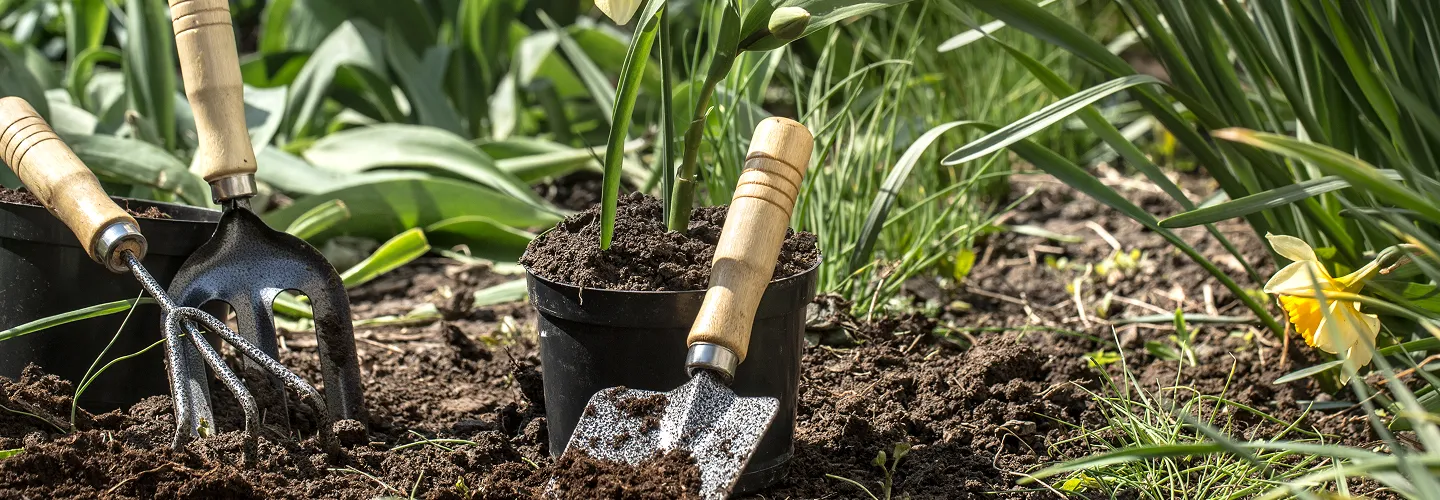
Georgetown Flower Bed Maintenance Services
Choose our Flower Bed Maintenance for expert care that keeps your garden blooming, weed-free, and healthy all season long—so you can enjoy stunning curb appeal without the hassle.
Get a Free QuoteOur Georgetown Landscaping & Yard Care Services
When to Schedule Flower Bed Maintenance in Georgetown, Georgia – Seasonal Guide
In Georgetown, Georgia, timing your flower bed maintenance is crucial for vibrant, healthy landscapes. The region’s humid subtropical climate means that spring and fall are generally the best seasons for most maintenance tasks, such as mulching, pruning, and planting. Early spring, just after the last frost date, is ideal for prepping beds and introducing new plants, while late fall is perfect for cleaning up and protecting perennials before winter. Neighborhoods near the Savannah River, like Riverview and Willowbrook, often experience higher humidity and occasional flooding, which can affect soil drainage and plant health. Areas shaded by mature oaks or pines, such as those around Georgetown Park, may require different maintenance schedules due to reduced sunlight and increased leaf litter. Georgetown’s sandy-loam soils drain quickly, so regular mulching is essential to retain moisture, especially during the summer drought risk. For more information on local environmental guidelines, visit the official town website.
Local Factors to Consider for Flower Bed Maintenance in Georgetown
- Tree density and shade coverage (especially in neighborhoods like Willowbrook)
- Soil type and drainage, particularly near the Savannah River
- Seasonal precipitation and drought risk
- Frost dates and temperature fluctuations
- Municipal restrictions on water usage or landscaping
- Terrain variations, such as sloped yards or low-lying areas
Benefits of Flower Bed Maintenance in Georgetown
Enhanced Curb Appeal
Weed and Pest Prevention
Healthier Plant Growth
Seasonal Color Management
Professional Expertise
Time and Effort Savings
Georgetown Flower Bed Maintenance Types

Seasonal Flower Planting
-
Weed Control Services
-
Mulching and Soil Conditioning
-
Pruning and Deadheading
-
Fertilization Programs
-
Pest and Disease Management
-
Irrigation System Maintenance
Our Flower Bed Maintenance Process
Site Evaluation
Weed Removal
Soil Cultivation
Mulching
Plant Care
Why Choose Georgetown Landscape Services
-
Georgetown Homeowners Trust Us
-
Expert Lawn Maintenance
-
Reliable Scheduling
-
Competitive Pricing
-
Professional Team
-
Satisfaction Guarantee
-
Personalized Service
Georgetown's Coastal Plain Soils and Their Impact on Flower Bed Health
Georgetown, Georgia, sits within the Coastal Plain region, where sandy, well-drained soils predominate. Soil series commonly found in this area—such as Tifton, Leefield, and Pelham—tend to be acidic, with pH levels often ranging from 4.5 to 5.8. These conditions directly affect flower bed performance, nutrient retention, and amendment strategies. Property owners should understand several key soil factors before establishing or maintaining flower beds:
- Rapid drainage: Sandy soils lose moisture quickly, requiring more frequent irrigation or the incorporation of organic matter such as compost to improve water-holding capacity.
- Nutrient leaching: Nitrogen and potassium wash through sandy profiles faster than in clay soils, making slow-release fertilizers and regular soil testing essential.
- Acidic pH: Many ornamental annuals and perennials perform best in a pH range of 5.8 to 6.5. Lime applications may be necessary based on soil test results.
The USDA Web Soil Survey provides parcel-level soil data for Georgetown properties. The UGA Cooperative Extension offers affordable soil testing through county offices, and results typically include lime and fertilizer recommendations specific to ornamental beds. Georgetown falls within USDA Hardiness Zone 8b, which supports a wide range of warm-season and transitional ornamental species but requires attention to soil preparation given the region's sandy substrate.
Seasonal Planting and Mulching Windows for Georgetown's Extended Growing Season
Georgetown's long, warm growing season—typically stretching from mid-March through late October—provides an extended window for flower bed maintenance but also demands careful seasonal planning. The National Weather Service data for southwest Georgia indicates average last frost dates near mid-March and first frost dates in mid-November, giving property owners roughly eight months of active growing conditions.
Key timing considerations for flower bed maintenance include:
- Spring bed preparation (March–April): Remove winter debris, refresh mulch to a depth of 2–3 inches, and install warm-season annuals such as lantana, pentas, and zinnias after the last frost date.
- Summer maintenance (May–August): Monitor irrigation closely during peak heat, deadhead spent blooms, and watch for fungal issues driven by high humidity and afternoon thunderstorms.
- Fall transition (September–October): Replace exhausted summer annuals with cool-season options such as pansies, violas, and ornamental kale.
- Winter mulch renewal (November–February): Apply fresh pine straw or hardwood mulch to insulate root zones and suppress cool-season weeds.
Mulch should not be piled against plant stems or crowns, as this promotes rot in Georgetown's humid climate. Pine straw is widely available locally and performs well in acidic Coastal Plain soils, while hardwood mulch offers longer-lasting weed suppression for formal beds.
Protecting Georgetown's Drainage Infrastructure During Bed Maintenance Activities
Flower bed maintenance activities—including mulching, soil amendment, fertilization, and irrigation—can contribute to stormwater runoff if not managed responsibly. Georgetown's flat Coastal Plain topography and network of drainage ditches, roadside swales, and stormwater conveyances make runoff management a practical concern for every property owner. Under the Clean Water Act and Georgia's delegated stormwater programs administered by the Georgia EPD Watershed Protection Branch, sediment and nutrient-laden runoff from landscaped areas can affect local water quality.
Residents maintaining flower beds should follow these precautions:
- Avoid applying granular fertilizer to impervious surfaces such as sidewalks and driveways; sweep any spilled material back into beds.
- Install mulch in layers no thicker than 3 inches to prevent displacement during heavy rain events.
- Direct irrigation systems away from storm drains, ditches, and roadside swales.
- Use slow-release or organic fertilizers to reduce the risk of nutrient runoff into nearby waterways.
The Georgia EPD oversees water quality standards statewide, and property owners in Georgetown should be aware that excess phosphorus and nitrogen from landscape fertilization are among the most common nonpoint-source pollutants in Georgia's Coastal Plain watersheds. Responsible bed maintenance practices help protect downstream water quality and comply with broader environmental objectives.
Georgia Department of Natural Resources, Environmental Protection Division
2 Martin Luther King Jr. Drive SE, Suite 1456 East, Atlanta, GA 30334
Phone: (404) 656-4713
Official Website: Georgia EPD
How Georgia's Fertilizer and Pesticide Regulations Apply to Flower Bed Care
Property owners and service providers performing flower bed maintenance in Georgetown should be aware of Georgia's regulatory framework governing fertilizer and pesticide use. The Georgia Fertilizer Act of 1997 regulates the labeling, sale, and distribution of fertilizer products, while the Georgia Pesticide Use and Application Act of 1976 establishes licensing requirements for commercial pesticide applicators.
Key regulatory points relevant to flower bed maintenance:
- Commercial applicators who apply pesticides—including herbicides, insecticides, and fungicides—on others' property must hold a valid Georgia pesticide applicator license issued through the Georgia Department of Agriculture.
- Homeowners applying pesticides to their own property are not required to hold a license but must follow all label directions, which carry the force of federal law.
- Fertilizer applications should be based on soil test results to avoid over-application, which contributes to nutrient runoff and potential water quality degradation.
When hiring a professional for flower bed pest or weed management, Georgetown residents should verify that the provider holds current Georgia pesticide licensing credentials. The Georgia Department of Agriculture - Agricultural Pest Control page provides verification resources and regulatory guidance.
Georgia Department of Agriculture
19 Martin Luther King Jr. Drive SW, Atlanta, GA 30334
Phone: (404) 656-3600
Official Website: Georgia Department of Agriculture
Selecting Heat-Tolerant and Native Plant Species for Georgetown Flower Beds
Georgetown's USDA Hardiness Zone 8b climate, characterized by hot summers with temperatures frequently exceeding 95°F and high humidity, demands careful plant selection for flower beds. Choosing species adapted to these conditions reduces maintenance burden, lowers water consumption, and supports local pollinators and wildlife. The UGA Cooperative Extension publishes region-specific planting guides that are valuable resources for Georgetown property owners.
Recommended species and categories for Georgetown flower beds include:
- Heat-tolerant annuals: Lantana, pentas, vinca (Catharanthus roseus), portulaca, and angelonia thrive in full-sun Georgetown beds through the summer months.
- Native perennials: Black-eyed Susan (Rudbeckia hirta), coreopsis, purple coneflower (Echinacea purpurea), and native salvias provide multi-season interest and require less supplemental irrigation once established.
- Shade-tolerant options: For beds beneath mature pines or hardwoods, consider caladiums, impatiens (in sheltered locations), hostas, and native ferns.
- Pollinator-friendly selections: Native bee balm, milkweed species, and goldenrod support Georgia's native pollinator populations.
Property owners should avoid invasive ornamental species identified by UGA Extension - Invasive Species resources, including Chinese privet and Japanese honeysuckle, which can escape flower beds and colonize adjacent natural areas. Selecting regionally appropriate plants reduces the need for chemical inputs and intensive irrigation in Georgetown's warm Coastal Plain environment.
What Neighborhoods Do We Serve Throughout Georgetown, GA?
- Downtown Georgetown: Older residential lots in the historic core often feature mature shade trees and compacted soils that require organic amendment and shade-tolerant plant selections for flower beds. Proximity to municipal drainage infrastructure calls for careful mulch and fertilizer management.
- Georgetown Heights: This area includes slightly elevated lots with better natural drainage but sandier soils prone to rapid moisture loss. Flower beds here benefit from compost incorporation and consistent mulch coverage to retain soil moisture during summer heat.
- Pine Ridge: Wooded lots with significant pine canopy create acidic soil conditions and heavy shade, making species selection and pH management critical for successful flower bed establishment.
- Creekside Estates: Properties adjacent to local creek corridors require particular attention to runoff prevention and buffer-zone awareness when applying fertilizers or soil amendments near waterways.
- Meadow Park: Newer subdivision development in this area may present compacted fill soils and limited topsoil depth, requiring more intensive bed preparation including soil testing, amendment, and proper drainage grading before planting.
- Oakwood: Established neighborhood with mixed sun and shade exposure, mature hardwood canopy, and moderate lot sizes well-suited to diverse perennial and annual flower bed programs with seasonal rotation.