
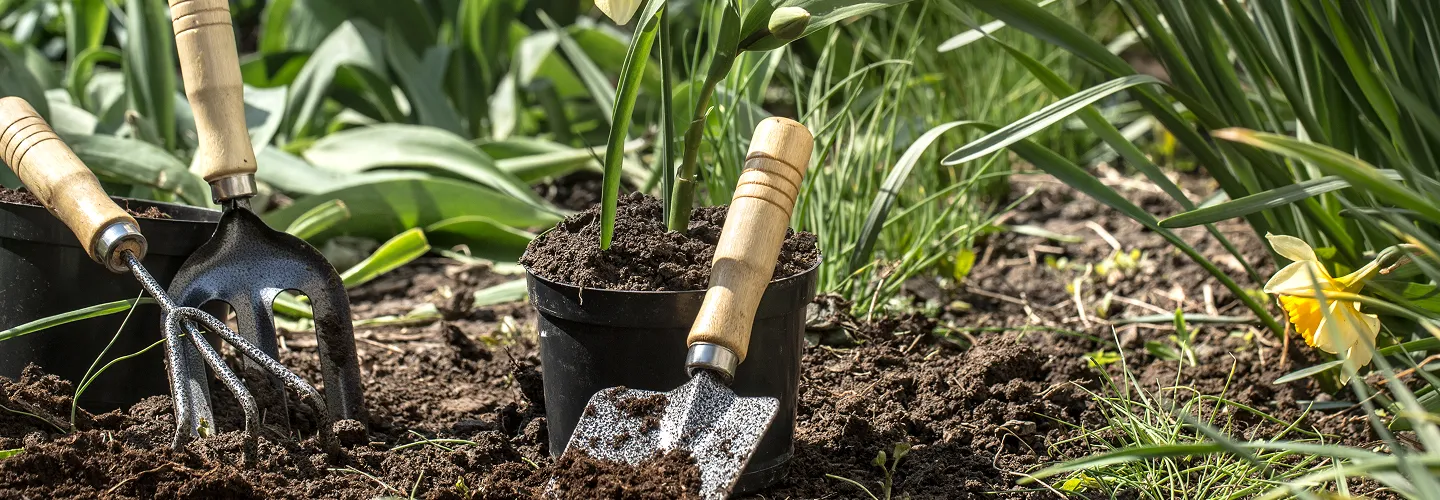
Georgetown Flower Planting Services
Choose our flower planting services for vibrant, expertly arranged blooms that enhance your curb appeal and thrive throughout the seasons—bringing lasting beauty and value to your home.
Get a Free QuoteOur Georgetown Landscaping & Yard Care Services
When to Schedule Flower Planting in Georgetown, Georgia – Seasonal Guide
In Georgetown, Georgia, timing your flower planting is essential for vibrant, long-lasting blooms. The region’s humid subtropical climate means that spring and early fall are generally the best seasons for planting, as these periods offer moderate temperatures and consistent rainfall. Local neighborhoods like Bellewood and the areas surrounding the Georgetown Community Park benefit from rich, loamy soils, but gardeners should always be mindful of the last frost date—typically in early March—before introducing tender annuals.
Environmental factors such as summer drought risk, shade from mature oaks in communities like Willow Lakes, and occasional heavy rainfall can all impact planting success. Soil drainage varies across Georgetown, so it’s wise to assess your yard’s terrain and amend soil as needed. For more detailed local guidelines, consult resources like the Town of Sudbury’s environmental page for best practices.
Local Factors to Consider for Flower Planting in Georgetown
- Proximity to large shade trees (e.g., live oaks or magnolias)
- Soil type and drainage, especially in low-lying areas
- Average precipitation and risk of summer drought
- Frost dates and seasonal temperature swings
- Municipal landscaping restrictions or HOA guidelines
- Terrain slope and sun exposure throughout the day
Benefits of Flower Planting in Georgetown
Expert Local Knowledge
Customized Landscape Designs
Seasonal Plant Selection
Enhanced Curb Appeal
Eco-Friendly Practices
Reliable Maintenance Services
Georgetown Flower Planting Types

Perennial Flower Beds
-
Annual Flower Displays
-
Native Wildflower Gardens
-
Seasonal Bulb Planting
-
Pollinator-Friendly Plantings
-
Shade Garden Flowers
-
Container Flower Arrangements
Our Flower Planting Process
Site Evaluation
Soil Preparation
Flower Selection
Planting
Watering and Mulching
Why Choose Georgetown Landscape Services
-
Georgetown Homeowners Trust Us
-
Expert Lawn Maintenance
-
Reliable Scheduling
-
Competitive Pricing
-
Professional Team
-
Satisfaction Guarantee
-
Personalized Service
Soil Preparation and Bed Amendment for Georgetown's Coastal Plain Conditions
Georgetown, Georgia, is situated in the Coastal Plain region, where soils are predominantly sandy and acidic. Common soil series in this area, such as Tifton and Leefield, tend to drain rapidly, which can limit nutrient retention critical for establishing flower beds. Before planting, property owners should conduct a soil test through the UGA Cooperative Extension to determine pH levels and nutrient deficiencies. Most flowering annuals and perennials perform best in soils with a pH between 6.0 and 6.5, and Georgetown's naturally acidic soils often require lime amendments to reach this range. Key bed preparation steps include:
- Incorporating two to four inches of organic compost to improve moisture retention in sandy substrates
- Applying pelletized lime based on soil test recommendations, typically four to six weeks before planting
- Tilling beds to a depth of eight to ten inches to break up any compacted subsoil layers
- Adding slow-release fertilizer formulated for flowering plants, in compliance with the Georgia Fertilizer Act of 1997
Residents can verify their specific soil series using the USDA Web Soil Survey for site-level accuracy before investing in amendments.
Optimal Flower Planting Windows for Georgetown's USDA Zone 8b Climate
Georgetown falls within USDA Hardiness Zone 8b, where the average annual minimum temperature ranges from 15°F to 20°F. This classification directly influences planting schedules for both warm-season annuals and cold-hardy perennials. The National Weather Service data for the region indicates that the last spring frost typically occurs in mid-March, while the first fall frost arrives in mid-November, providing a growing season of approximately 240 days. Recommended planting windows include:
- Cool-season annuals (pansies, violas, snapdragons): October through early November for fall/winter color, or late February for early spring display
- Warm-season annuals (zinnias, lantana, pentas, vinca): mid-April through May, after soil temperatures consistently exceed 65°F
- Perennials (coneflower, black-eyed Susan, salvia): early spring (March) or early fall (September–October) to allow root establishment before temperature extremes
- Bulbs (daffodils, amaryllis): November through December for spring blooming
Timing plantings to avoid Georgetown's peak summer heat—when afternoon temperatures regularly exceed 95°F—reduces transplant shock and irrigation demand significantly.
Protecting Georgetown's Drainage Infrastructure During Flower Bed Installation
Flower bed installation near stormwater inlets, roadside ditches, and drainage swales in Georgetown requires careful attention to erosion and sediment control. Disturbed soil from bed preparation can wash into local drainage systems during heavy rainfall events, which are common in South Georgia's subtropical climate. The Georgia EPD Watershed Protection Branch oversees water quality standards that apply to sediment discharge, and even small residential projects can contribute to cumulative watershed impacts. Property owners and contractors should observe the following precautions:
- Install silt barriers or straw wattles downslope of any newly excavated planting beds within 25 feet of storm drains or ditches
- Avoid stockpiling loose soil or mulch directly adjacent to stormwater conveyances
- Complete bed mulching immediately after planting to stabilize exposed soil surfaces
- Schedule bed installation during dry forecast periods when possible to minimize runoff risk
- Direct downspout and irrigation overflow away from freshly planted beds toward pervious lawn areas
Georgetown residents near creek corridors or low-lying areas should verify whether their property falls within a floodplain or buffer zone, as additional restrictions may apply. Coordination with local public works staff can clarify site-specific drainage considerations.
Selecting Heat-Tolerant and Pollinator-Friendly Species for Georgetown Landscapes
Plant selection for Georgetown's flower beds must account for sustained summer heat, high humidity, sandy soil drainage, and regional pest pressure. The UGA Cooperative Extension recommends species adapted to South Georgia's long warm season and provides annual trial results for flowering plants suited to the region. Prioritizing pollinator-friendly and drought-tolerant varieties supports local ecosystems while reducing maintenance demands. Recommended species for Georgetown include:
- Lantana (Lantana camara): thrives in full sun and sandy soils; highly heat- and drought-tolerant once established
- Pentas (Pentas lanceolata): excellent butterfly attractor; performs well in Zone 8b with minimal supplemental irrigation
- Coneflower (Echinacea purpurea): native perennial suited to well-drained beds; supports native pollinators
- Blanket Flower (Gaillardia pulchella): tolerates poor, sandy soils and intense sun exposure
- Firebush (Hamelia patens): semi-tropical shrub producing tubular flowers attractive to hummingbirds; root-hardy in Zone 8b
- Muhly Grass (Muhlenbergia capillaris): native ornamental grass providing fall color and textural contrast in mixed beds
Property owners should avoid invasive ornamental species listed by UGA Extension - Invasive Species, such as Chinese privet or Japanese honeysuckle, which can escape cultivation and displace native vegetation in Georgetown's wooded edges and riparian corridors.
How Georgia Fertilizer Regulations Apply to Flower Bed Maintenance
Fertilizer application in Georgetown flower beds is subject to the Georgia Fertilizer Act of 1997, which regulates the labeling, sale, and distribution of fertilizer products statewide. While the Act primarily governs commercial distribution, its provisions ensure that products available to residents and contractors meet nutrient content guarantees. The Georgia Department of Agriculture - Fertilizer program oversees compliance. Practical guidance for Georgetown property owners includes:
- Use fertilizers with labeled guaranteed analysis matching soil test recommendations
- Apply granular fertilizer to dry foliage and water in promptly to prevent leaf burn and reduce surface runoff
- Avoid fertilizer application within 10 feet of any stormwater inlet, ditch, or drainage feature
- Select slow-release nitrogen formulations to reduce leaching through Georgetown's sandy soils
- Follow UGA Extension rate guidelines—typically one to two pounds of actual nitrogen per 1,000 square feet per growing season for annual flower beds
Professional applicators using any pesticide-fertilizer combination products must hold appropriate credentials under the Georgia Pesticide Use and Application Act of 1976.
Georgia Department of Agriculture
19 Martin Luther King Jr. Drive SW, Atlanta, GA 30334
Phone: (404) 656-3600
Official Website: Georgia Department of Agriculture - Fertilizer
What Neighborhoods Do We Serve Throughout Georgetown, GA?
- Downtown Georgetown: Older residential lots with established shade trees and compacted soils often require additional organic amendment and shade-tolerant flower selections such as impatiens or caladiums for successful bed establishment.
- Georgetown Heights: Properties in this area tend toward slightly elevated terrain with better-drained sandy loam, making it well-suited for sun-loving annuals like zinnias and lantana with minimal irrigation supplementation.
- Creekside Estates: Proximity to local creek corridors means flower bed installation must account for buffer zone considerations and sediment control, particularly during Georgetown's heavy summer rain events.
- Pine Ridge: Wooded lots with mature pine canopy create acidic soil conditions and dappled shade, favoring acid-loving species such as azaleas and hydrangeas alongside shade-tolerant perennials.
- Meadow Park: Newer subdivision development with fill soils and limited topsoil depth requires thorough bed preparation, including compost incorporation and soil testing before planting.
- Oakwood Subdivision: Established neighborhood with large lot sizes and mixed sun exposure, where seasonal flower rotations and pollinator garden installations are common among property owners maintaining frontage aesthetics.